comparison
Should I rent a whole venue or book a block of rooms for my first twelve person retreat?
Buyouts and room blocks carry different risk, different deposits and a different guest experience. A side by side look at minimums, attrition clauses, food requirements and who absorbs the empty beds.
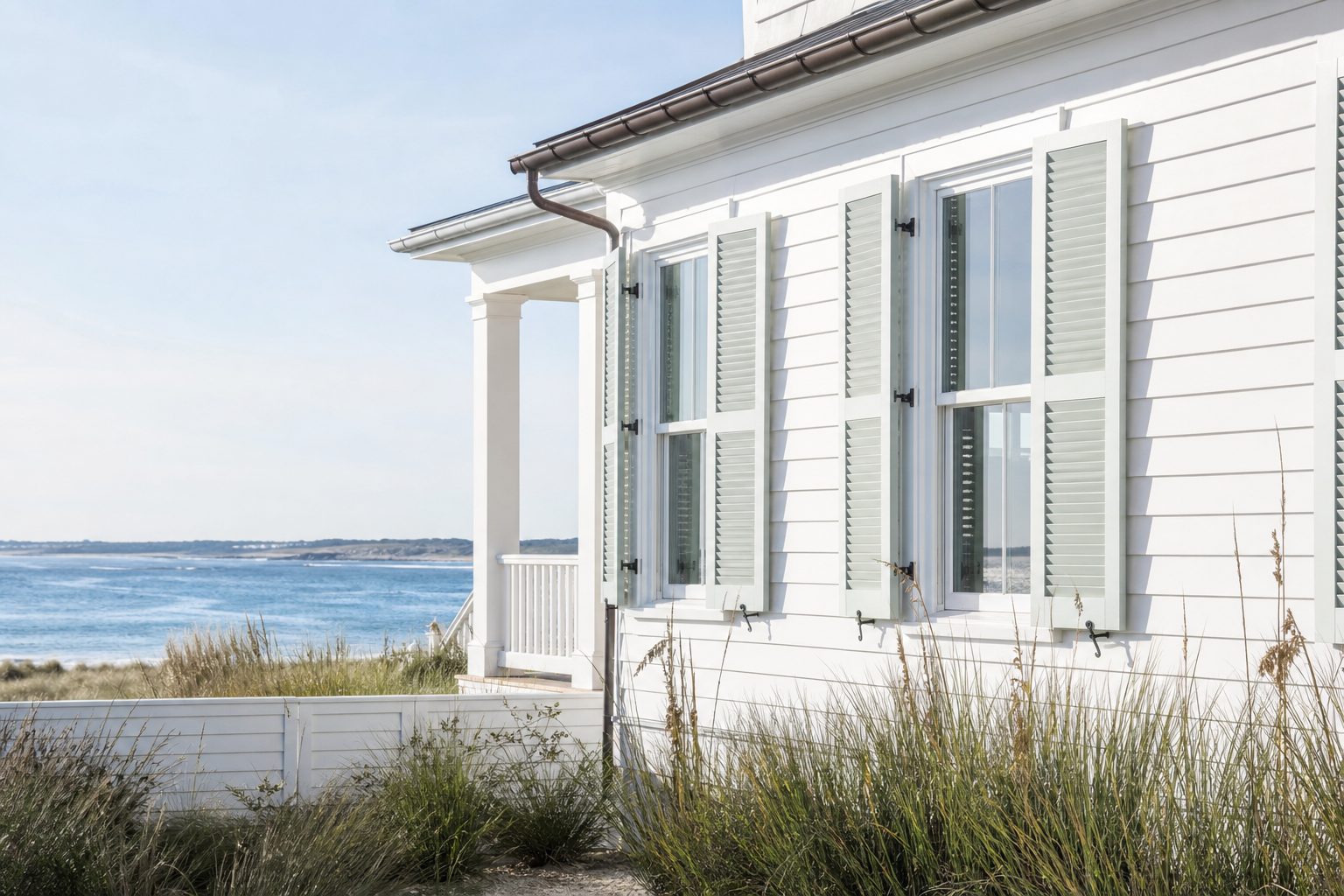
For a first twelve person retreat, a room block is usually the safer financial choice and a whole venue buyout is usually the better product. Which one is right for you comes down to a single question you can answer before any site visit: if only seven women register, can you write the check anyway?
A buyout means you have contracted the entire property. You control every bed, the kitchen, the schedule and the noise, and you own every empty bed. A room block means the property holds a set number of rooms for you at an agreed rate, usually with an attrition clause letting you release some percentage without penalty, and other guests are in the building.
The rest is mechanics: how each contract is built, where the money sits at each stage, what a food minimum does to your budget, and what to ask on the site visit.
How a full buyout contract is structured
A buyout is priced one of two ways. Either a flat property rate for the dates, or a per person per night rate with a stated minimum headcount you must pay regardless of who shows. The second is more common at small retreat centers and is the one that catches people out, because it reads like per person pricing but behaves like a flat fee.
Watch for these terms:
- Exclusive use dates and hours. Exclusive use starting at 4pm Friday means the previous group may still be finishing lunch when you arrive to set up.
- Minimum guarantee. The floor you pay. If the contract says twelve at $340 per person for three nights, your floor is $12,240 whether you sell six beds or twelve.
- Cancellation ladder. Typically forfeiting an increasing share as you approach the date: deposit at signing, half at ninety days, all at thirty.
- What is included. Linens, cleaning between, firewood, hot tub servicing, parking, the studio space, and whether the studio is separately rentable if another group books the field next door.
- Damage deposit and its return timeline.
Keep reading: How far ahead should I open registration, and when do the deposits usually land?
How a room block and attrition clause works
A room block is a hotel or inn holding, say, ten rooms at a negotiated rate for your dates. Guests either book their own rooms under a code, or you book and pay for the block yourself. Those two versions have completely different risk profiles and people confuse them constantly.
If guests book themselves, your exposure is the attrition clause: you commit to a percentage of the block being picked up, often eighty percent, and pay a penalty on unfilled rooms below that line. Ten rooms at eighty percent means eight must sell. If six sell, you owe on two. If instead you book the whole block on your own card, you have created a small buyout with none of the exclusivity. Avoid that unless the rate difference is substantial.
The clauses that decide whether a block is worth having
- Attrition percentage and how the penalty is calculated: full room rate, or the property's lost profit.
- The cutoff date when unsold rooms release back to the hotel, usually thirty days out. After that your guests pay public rates.
- Whether rooms picked up outside the code count toward your pickup. They often do not, and a guest who found a cheaper rate on a booking site has quietly increased your attrition bill.
- Whether cancelled rooms within the block still count as picked up.
Deposit schedules and the money at risk in each
Here is the comparison that matters, using a plausible small retreat. Assume twelve beds, three nights, a coastal property. These are illustrative assumptions, not quoted rates, but the shape holds.
| Stage | Whole venue buyout | Room block, guests book |
|---|---|---|
| Signing | 25 percent of $12,240 = $3,060, non refundable | $0 to $500 signing fee |
| 120 days out | Nothing due | Nothing due |
| 90 days out | Second 25 percent = $3,060 | Nothing due |
| 30 days out | Balance $6,120; full cancellation penalty in force | Cutoff: unsold rooms release |
| Post event | Damage deposit returned | Attrition billed on shortfall below 8 rooms |
| Worst case if 6 sell | You owe $12,240, collect roughly $6,000 in bed revenue | You owe 2 rooms at maybe $260 x 3 nights = $1,560 |
That last line is the entire argument. On a first retreat with no past guest list, a buyout puts five figures of your own money at risk before a single woman registers. A block caps the downside at low four figures.
The counterweight: the buyout's per bed cost is usually lower, and it is the only model where you can guarantee the group has the living room to itself at nine at night. Sell all twelve beds and the buyout is both cheaper per head and a better retreat.
Food and beverage minimums and outside catering rules
Retreat centers that quote a buyout often include all meals, which is clean: your per person number is your per person number. Hotels almost never do. Instead they attach a food and beverage minimum, a dollar figure you must spend on catering, and that minimum is calculated before tax and before a service charge that is frequently twenty two to twenty six percent.
Run the arithmetic first. A $4,000 minimum with a twenty four percent service charge and eight percent tax is roughly $5,280 out the door, and neither charge counts toward the minimum. Twelve women eating nine meals over three days is 108 covers, so $4,000 is about $37 a cover. Reasonable for dinner. Wildly expensive for oatmeal and fruit.
Ask about outside catering too. Many hotels prohibit it entirely. Retreat centers often allow your own chef but charge a kitchen fee and require a certificate of insurance. If a private chef is central to your offer, get that in writing before you sign.
Keep reading: What does it take to feed twelve women with five different dietary needs for a week?
Control of the schedule, common space and quiet hours
With a buyout, the closing circle can run past ten because there is nobody to disturb. Someone can cry in the living room without a stranger walking through. You can move furniture, set up an altar, and leave your materials out overnight.
With a room block, you have rented sleeping rooms plus, separately, a meeting room. The meeting room has hours. The lobby is public. The hot tub is shared with a wedding party. For a business retreat this is fine. For a women's retreat built on emotional safety, it is a compromise you should price honestly rather than paper over in the sales page.
A middle option is underused: a small inn will sometimes sell a shoulder season midweek buyout for close to block pricing, because Tuesday to Thursday in October is otherwise empty.
Single occupancy demand and shared room math
Twelve beds is not twelve guests unless everyone shares, and single occupancy demand is persistent at higher price points. Women in their forties and fifties who work hard often will not share a room with a stranger at any price. Every guest who takes a room alone removes a sellable bed, so price the single supplement to cover that lost bed plus margin, not as a token upcharge.
Worked example. Your all in cost is $12,240 for the property, and you want twelve guests at $1,600, which is $19,200. If two women take singles, you now sell ten spots, not twelve. Your revenue drops to $16,000 and your costs have not moved. A single supplement of $800 each recovers $1,600 of the $3,200 gap. To hold the margin, the supplement needs to be near the full bed price, roughly $1,300 to $1,600, or you need to price the shared rate assuming a couple of singles from the start.
A buyout gives you full control of that mix. A room block usually does not: hotel rooms are sold as rooms, so a woman who wants a single is simply booking a room, and you may find your block gone at eight guests.
See how RetreatSeats handles this for women's wellness retreats
Which model survives a soft selling season
Under a buyout, a soft season forces a choice at ninety days: discount hard, widen the audience, or absorb the loss. Most discount, which trains people to wait, and the next cycle is softer still.
Under a room block, a soft season costs you the attrition bill and some pride. You run with eight women instead of twelve, the group is smaller and often lovely, and you go again.
A decision rule
- Add your buyout minimum guarantee plus the non refundable portion of any food commitment. Call it your floor.
- Count the women you could name today who would say yes: past clients, waitlist, close community, not social media followers.
- Multiply that count by your intended price. If it does not cover the floor, do not sign a buyout for your first retreat.
- If it covers the floor with two beds to spare, take the buyout. The experience is better and the per head cost is lower.
Questions to ask on the site visit
Bring these written down. Sales managers answer differently when a question is read from a page.
- What else can be booked on the property during my dates, including day events, weddings and the field or beach?
- What time does exclusive use actually begin and end, and can I get in the night before to set up?
- Is the food and beverage minimum before or after service charge and tax, and what is the service charge percentage?
- What is the attrition percentage, when is the cutoff date, and do rooms booked outside my code count toward pickup?
- Which rooms are ground floor, which have private bathrooms, which have a step or spiral stair? Ask for a bed by bed list.
- What happens to my deposit if the property closes for a hurricane, a fire or a water outage? Ask about the force majeure wording specifically.
- Is there a resident manager on site overnight?
- What is the cell coverage, and is there a landline?
Deciding, then filling the beds
Whichever model you choose, the contract gives you a fixed set of dates and a fixed set of beds, and your job from that moment is to fill them and collect on schedule. The venue's deposit ladder is the clock everything else runs against.
RetreatSeats maps your actual rooms and beds, so a single supplement, a ground floor request and a roommate pairing all sit on one roster with your deposit dates. At ninety days you will know whether you are covering the floor, which is the number that decides whether next year is a buyout.
Read also

How far ahead should I open registration, and when do the deposits usually land?
A working timeline from announcement to arrival: early access for past guests, deposit and balance dates tied to the venue ladder, the quiet mid cycle stretch and the final push that fills the last beds.

What does it take to feed twelve women with five different dietary needs for a week?
Following one week of menus: how a host collected restrictions at registration, briefed a chef, handled cross contact for a serious allergy, and kept the grocery spend inside the per head budget.
What has to be sorted before my guests arrive if I want a calm check in day?
A verification pass for the week before arrival: signed waivers, cleared balances, bed assignments, the dietary list to the kitchen, emergency contacts, transport times and the local medical plan.